
A video that’s gone viral captures a scene straight out of a suspense thriller: construction crews erecting massive anti-scale barricades around the White House and the U.S. Treasury under the cover of night.
The footage shows workers in yellow vests stacking towering barriers, their silhouettes stark against the illuminated backdrop of the White House.
Here’s the video:
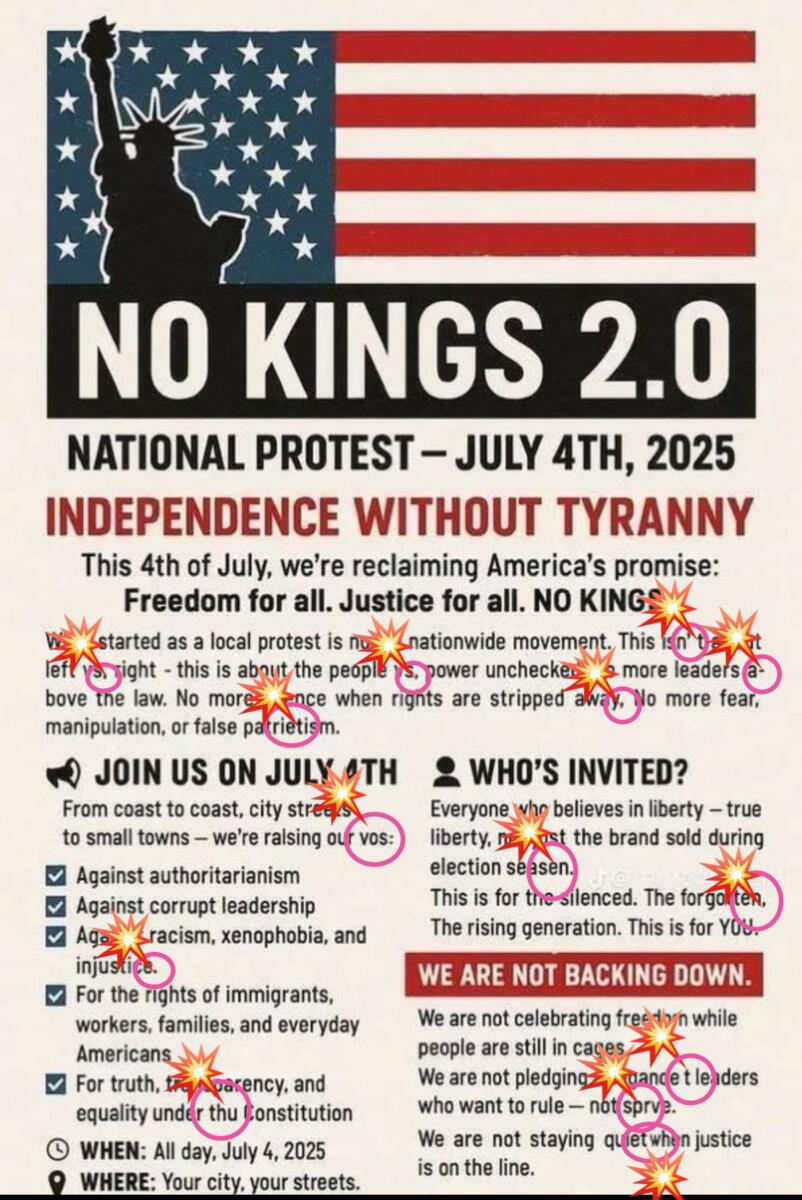
This sudden security measure has ignited a firestorm of speculation across social media, with users offering a buffet of theories. Some think it’s for the upcoming July 4 celebrations, but others aren’t buying it. “I believe they’re getting ready for the new Kings protest on July 3 or fourth,” one commenter posited, hinting at anticipated unrest. Another, more cynical, added, “Yeah… when they break out the anti-scale fencing at night, it’s never because they’re prepping for a bake sale. That’s usually code for: Some kind of announcement is coming, possibly with serious public blowback. A trial verdict, indictment, or legal action.” A third, less optimistic, warned, “4th of July protests, planned in DC, likely to be a riot. Don’t leave your bricks out.” The buzz is palpable, but Grok, the AI, offered a more concrete lead: a planned “National March on Washington” protest against U.S. military action in Iran on June 28, 2025, organized by the ANSWER Coalition, expected to draw large crowds. No official word yet, but the timing and the barricades scream crowd control. Other possibilities, like unannounced events or routine security, don’t hold water without evidence.
This isn’t just about barriers—it’s about a city on edge, a nation guessing what’s next. The video, with its millions of views, is a cultural touchstone, a moment that captures the divide between preparation and paranoia. For D.C., it’s a night of uncertainty; for America, it’s a question mark.
*Author’s Reflection: The insights here are my own, drawn from the unfolding events and public outcry. This article seeks to present the facts and reactions without picking a side, urging readers to consider the broader implications of this critical juncture.*